
The ocean is home to a wide variety of plant life, from tiny microalgae to large seaweeds. These ocean plants play a crucial role in maintaining the health of marine ecosystems and the planet as a whole. Not only do they provide food and habitat for a diverse range of sea creatures, but they also play a significant role in regulating the Earth’s climate by producing oxygen and sequestering carbon dioxide. In this article, we will explore the importance of ocean plants and how they contribute to the well-being of our planet.
What Are Ocean Plants and Why Do They Matter?
Ocean plants, often referred to as marine or sea plants, are a diverse group of photosynthetic organisms that form the foundation of life in the ocean. Ranging from microscopic phytoplankton drifting near the surface to vast seagrass meadows and towering seaweeds, these plants capture sunlight and convert it into energy that fuels entire marine food webs. Beyond supporting marine life, ocean plants play a critical role in regulating Earth’s climate by producing a significant share of the planet’s oxygen, absorbing carbon dioxide, stabilising coastlines, and maintaining water quality. Their presence is essential not only to the health of the oceans but to the balance of life on Earth as a whole.
How Many Plants Are in the Ocean?
There are thousands of species of plants in the ocean, ranging from microscopic algae to large kelp forests. These plants play a crucial role in the marine ecosystem, providing food and habitat for a wide variety of marine life. Some of the most common types of ocean plants include seaweeds, seagrasses, and phytoplankton. Each of these plants serves a unique purpose in the ocean, contributing to the overall health and balance of the marine environment.
Types of Plants in the Ocean
Ocean plants play a crucial role in the marine ecosystem by producing oxygen through photosynthesis and providing food and habitat for a wide variety of marine species. Some of the most common types of ocean plants include algae and seagrasses. Algae, for example, are a diverse group of photosynthetic organisms that can be found in both freshwater and marine environments. Seagrasses, on the other hand, are flowering plants that have adapted to live in the ocean, forming underwater meadows that support a rich diversity of marine life.
The types of plants in the ocean vary widely, each serving a specific role in the marine ecosystem. Some of the most important ocean plants include:
Seaweeds
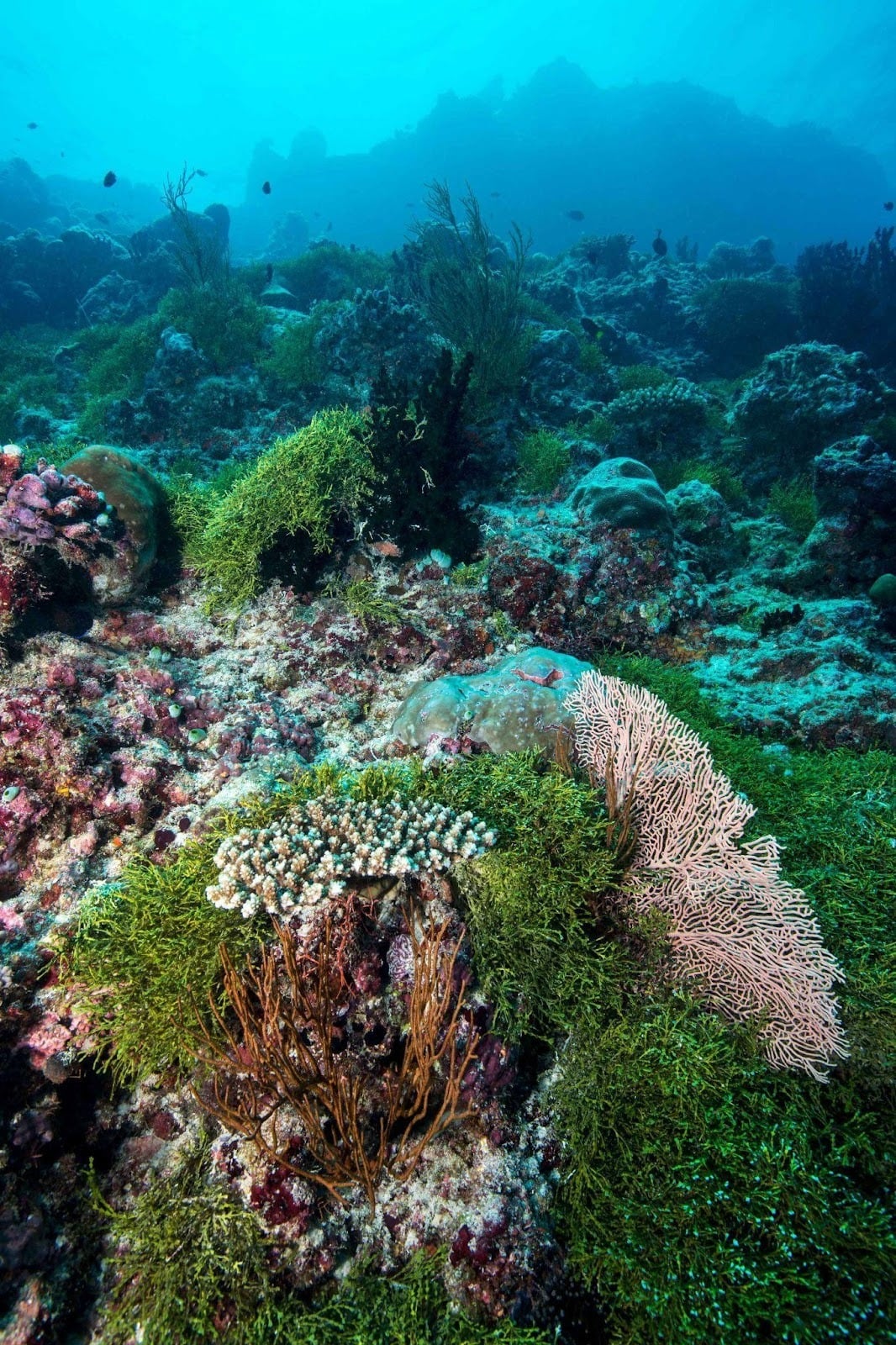
Seaweeds are a diverse group of marine algae. Although they resemble plants in appearance, they are not true plants, as they belong to the algae group rather than the plant kingdom. They can be found in a wide range of colours, shapes, and sizes. They provide essential habitat and food for a variety of marine organisms, ranging from small invertebrates to larger fish and marine mammals.
Seagrasses
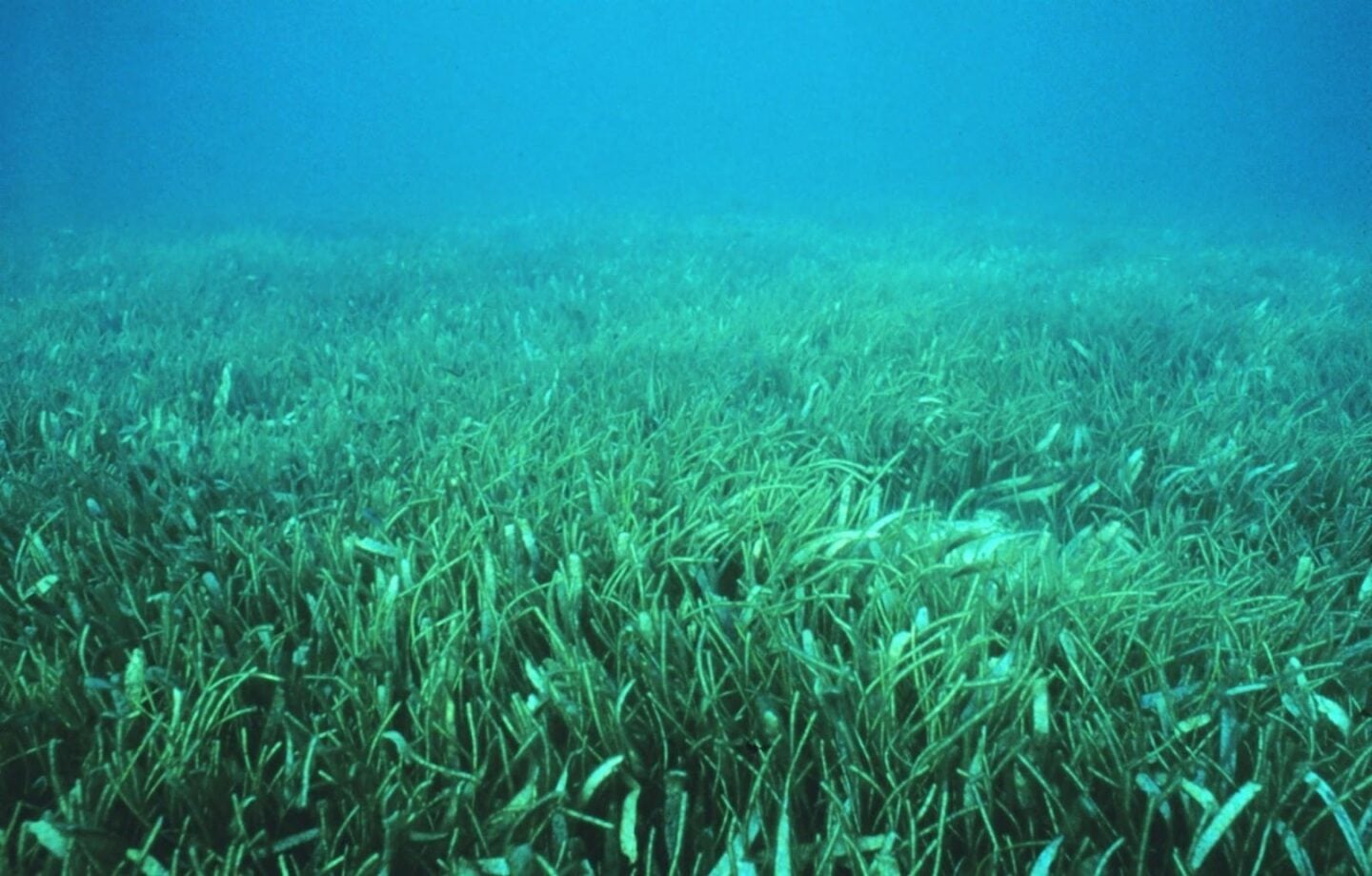
Seagrasses are flowering plants that have adapted to live in marine environments. They form dense underwater meadows that provide shelter and food for many marine species, including fish, crustaceans, and sea turtles.
Phytoplankton
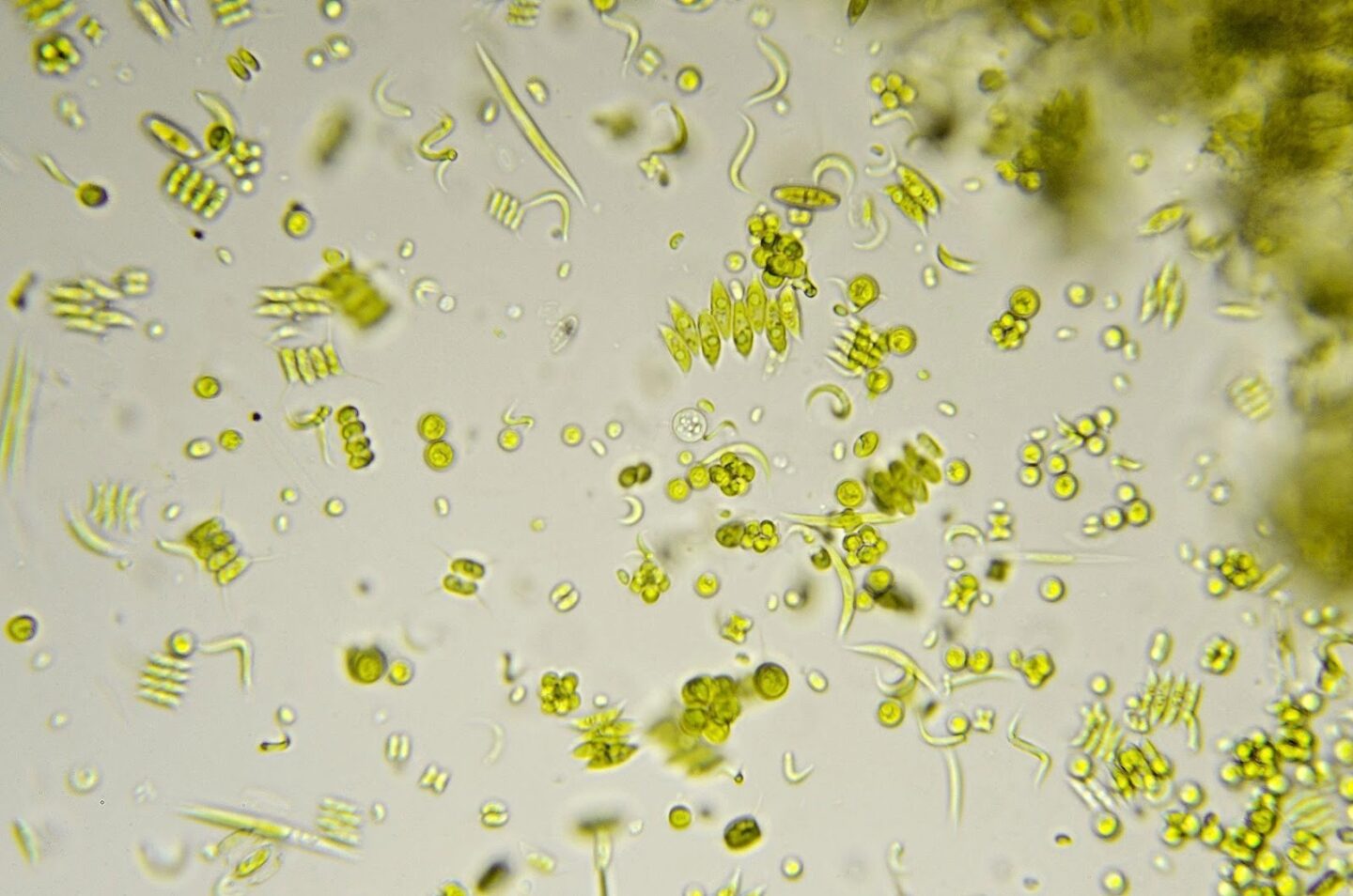
Phytoplankton are microscopic algae that float near the ocean’s surface and form the base of the marine food web. They are a critical source of food for many marine organisms, from tiny zooplankton to large filter-feeding animals such as baleen whales.
These different types of ocean plants work together to create and maintain the complex web of life in the marine environment, making them essential for the health and sustainability of the world’s oceans.
ALSO READ : Coral Etiquette 101 – Reefs Are Not Rocks to Stand on
The Importance of Ocean Plants
The importance of ocean plants cannot be overstated. They are not only vital for the marine ecosystem but also have a significant impact on the Earth’s overall environment. Phytoplankton are responsible for around 50% of Earth’s oxygen, roughly equal to all land plants combined through photosynthesis, making them essential for life on Earth.
In addition to producing oxygen, ocean plants also serve as a crucial food source for many marine organisms. The rich biodiversity of ocean plants provides sustenance for countless species of fish, invertebrates, and other marine life. Furthermore, these plants create habitats that support entire ecosystems, contributing to the overall health and balance of the oceans.
Understanding the diverse array of ocean plants and their roles within the marine ecosystem is essential for the conservation and sustainable management of ocean environments. By recognising the importance of these plants, we can work towards preserving and protecting the delicate balance of the world’s oceans.
The Most Fascinating Plants That Live in the Ocean
The ocean is home to remarkable plant life that shapes marine ecosystems on a massive scale. Giant kelp (Macrocystis pyrifera), for example, is one of the fastest-growing plants on Earth, forming vast underwater forests that provide food, shelter, and breeding grounds for fish, invertebrates, and marine mammals. These kelp forests are often compared to terrestrial rainforests because of their extraordinary biodiversity.
Equally fascinating are coralline algae, which may look unassuming but play a vital structural role in the ocean. By depositing calcium carbonate in their cell walls, coralline algae help cement coral reefs together, strengthening reef frameworks and protecting them from erosion. Together, these ocean plants are not only visually striking but also essential to the stability, productivity, and resilience of marine ecosystems.
The Benefits of Ocean Plants
Ecosystem Support
Ocean plants such as seagrass and algae provide crucial support for marine ecosystems. They help to maintain water quality by absorbing excess nutrients and carbon dioxide, and they also provide habitat and food for a wide range of marine species.
Oxygen Production
One of the most critical roles of ocean plants is their contribution to oxygen production. Through the process of photosynthesis, these plants generate a significant portion of the Earth’s oxygen supply, making them vital for the health of both marine and terrestrial life.
Carbon Sequestration
Ocean plants are also essential for carbon sequestration. They capture and store carbon dioxide from the atmosphere, helping to mitigate the impacts of climate change by reducing the amount of this greenhouse gas in the atmosphere.
ALSO READ : Ways to Explore Raja Ampat – Dive Centre vs Liveaboard
Biodiversity Support
The presence of diverse ocean plants contributes to the overall biodiversity of marine ecosystems. By providing various niches and habitats, these plants support a wide array of marine life, from microorganisms to larger predators.
Why Ocean Plants Matter to Divers & Travellers
Ocean plants directly shape the quality of underwater experiences for divers and ocean travellers. Seagrass meadows help stabilise sediments and filter the water, resulting in clearer visibility and healthier reefs nearby, something every diver immediately appreciates. Kelp forests and algae-rich areas support high fish abundance by providing food, shelter, and breeding grounds, making these sites some of the most vibrant and life-filled dive locations in the world. Because ocean plants are sensitive to physical damage, responsible diving practices such as good buoyancy control, avoiding contact with the seabed, and not anchoring on seagrass or algae-covered areas are essential. Protecting these plants not only preserves marine ecosystems but also ensures that future travellers can continue to enjoy thriving reefs, abundant wildlife, and pristine underwater landscapes.
Conclusion
The importance of ocean plants cannot be overstated. They are not only aesthetically beautiful and fascinating, but they also play a critical role in maintaining the health and balance of our oceans. Protecting and preserving these plants is essential for the well-being of marine life and the planet.
Frequently Asking Question
What kinds of plants live in the ocean?
The ocean contains true plants, such as seagrasses, and plant-like organisms, including phytoplankton and seaweeds (marine algae). These organisms form the foundation of marine ecosystems by producing oxygen, food, and habitat for marine life.
What are some examples of plants that live in the ocean?
Examples of marine plants and plant-like organisms include:
-Seagrasses (true plants)
-Kelp
-Sargassum
-Phytoplankton
-Red, green, and brown algae
These organisms support marine food webs and biodiversity.
What are the most abundant plants in the ocean?
The most abundant photosynthetic organisms in the ocean are phytoplankton, microscopic organisms that drift in the water and form the base of most marine food chains.
Which organisms in the ocean produce most of Earth’s oxygen?
Phytoplankton produce a large portion of Earth’s oxygen through photosynthesis. Scientists estimate they generate about 50% (or more) of the oxygen in the atmosphere.
Why are marine plants important to ocean ecosystems?
Marine plants and plant-like organisms play key roles:
-Producing oxygen through photosynthesis
-Providing food for marine animals
-Creating habitats such as kelp forests and seagrass beds
-Supporting marine biodiversity
What is the ecological importance of flowering plants in marine environments?
Marine flowering plants, mainly seagrasses, stabilize sediments, store carbon, produce oxygen, and provide important nursery habitats for fish and other marine organisms.
What role does phytoplankton play in marine ecosystems?
Phytoplankton are primary producers, meaning they convert sunlight and carbon dioxide into energy through photosynthesis. They form the base of the marine food web.
Where in the ocean do most plants live?
Most marine plants and plant-like organisms live in sunlit surface waters and shallow coastal areas, where sunlight can penetrate and support photosynthesis.
Are there plants on the bottom of the ocean?
Yes, in shallow coastal waters. Seagrasses and some algae grow on the seafloor where sunlight can still reach the bottom.
How many plant species live in the ocean?
There are thousands of marine algae species and about 70 species of seagrasses. Phytoplankton also include a vast diversity of microscopic species.
Are marine plants and algae part of the biosphere?
Yes. Marine plants and algae are essential parts of Earth’s biosphere, contributing to oxygen production, nutrient cycling, and climate regulation.
What are the characteristics of plants that live in the ocean?
Marine plants typically:
-Tolerate saltwater
-Attach to rocks or sediment (or float freely, like phytoplankton)
-Have flexible structures to withstand currents
-Perform photosynthesis underwater
Why are blue carbon habitats important?
Blue carbon ecosystems such as seagrass beds, mangroves, and salt marshes capture and store large amounts of carbon, helping reduce climate change.
What plants live in the ocean for kids?
Some easy examples include seagrass, seaweed, kelp, and tiny phytoplankton. These organisms help feed ocean animals and produce oxygen for the planet.